
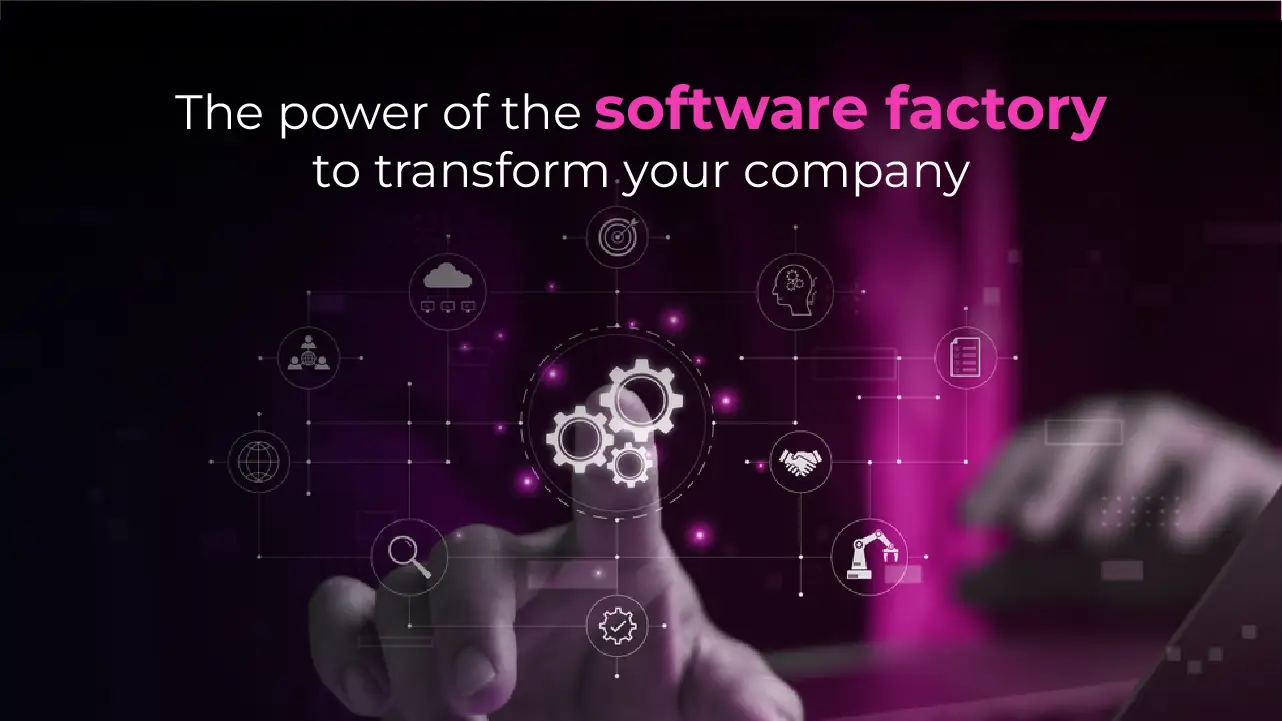
The power of the software factory to transform your company
2024-12-10T12:40:16
The software factory has become a key concept for companies seeking to optimize their development processes and improve the quality of their products. This approach enables organizations to create software more efficiently and effectively, using methodologies and tools that facilitate collaboration and innovation.
In a world where technology is advancing rapidly, having a software factory can be the difference between success and stagnation. By implementing a software factory, companies not only improve their production capacity, but can also adapt more quickly to market needs.
This translates into higher customer satisfaction and the ability to launch high-quality products in less time. Next, let’s explore in detail what a software factory is, its characteristics and the impact it can have on companies.
What is a software factory?
A software factory is a systematic approach to software development based on standardization and process automation. This model seeks to optimize software production by implementing practices and tools that enable greater efficiency and quality in development.
Instead of relying on ad hoc methods, software factories use well-defined processes that can be replicated and scaled according to project needs.
This approach includes the use of agile methodologies, continuous integration and continuous delivery (CI/CD), as well as project management and quality assurance tools. By standardizing these processes, software factories can reduce development time and minimize errors, resulting in a more robust and reliable end product. In addition, this model allows companies to quickly adapt to changes in customer requirements and the market environment.
Functions of a software factory
Among all the elements that characterize a software factory as an origin of technological solutions, there are three very important characteristics for technology companies.
Process standardization
By implementing agile methodologies and frameworks such as Scrum or Kanban, factories achieve greater efficiency in project management. This allows teams to work in a more coordinated manner and reduce the time needed to bring a product to market.
Standardization not only improves productivity, but also facilitates collaboration between different teams.
By following a common set of practices and procedures, developers, designers and project managers can communicate more effectively, resulting in a more agile and seamless workflow.
In addition, standardization helps reduce errors and rework, resulting in significant savings in time and resources.
Automation
Another key feature of software factories is task automation.
Implementing tools and technologies that automate repetitive processes, such as software testing and deployment, allows teams to focus on more strategic and creative activities. This not only reduces workload, but also minimizes the possibility of human error.
Automation also contributes to faster product delivery. By speeding up tasks that were previously manual, factories can release updates and new functionality more frequently, which improves the user experience and keeps companies ahead of the market.
The ability to automate processes also allows for greater scalability, as factories can manage an increasing volume of projects without the need to proportionally increase staff.
Adaptability
Adaptability is an essential component for the success of any company in today’s constantly changing and evolving business environment. An organization’s ability to adjust to new circumstances, technologies and market demands can make the difference between stagnation and growth.
By working with a software factory, companies can benefit from an agile approach that enables them to respond quickly to change and take advantage of new opportunities. Software factories implement agile methodologies that facilitate continuous adaptation during the development process.
This means that as new requirements or market trends emerge, teams can make adjustments to the project without major disruptions. This approach allows companies to not only stay relevant, but also lead in their respective industries by anticipating and reacting to their customers’ needs.
Furthermore, adaptation refers not only to changes in the software itself, but also to the integration of new technologies and tools that improve operational efficiency. Software factories are constantly updated on the latest innovations and industry practices, enabling them to offer solutions that are aligned with emerging trends.
Software factory benefits for businesses
When a company hires a software factory for what answer to its digital needs, it is paying for a number of key benefits that can help it reach new operational and productivity levels. Let’s take a closer look.
Customization
One of the main benefits of working with a software factory is the possibility of customization.
Unlike off-the-shelf solutions, which may not be completely tailored to a company’s specific needs, software factories develop custom solutions that address each customer’s unique requirements. This ensures that the final product is truly functional and useful to the organization.
Customization refers not only to the design and functionality of the software, but also to the integration with other systems and tools that the company already uses. This means that factories can create solutions that flow seamlessly into the existing technology ecosystem, improving efficiency and usability. In addition, this approach allows companies to differentiate themselves in the market by offering unique services that align with their value proposition.
Defined time and costs from the outset
Another significant benefit of software factories is the clarity of time and costs from the beginning of the project. Thanks to process standardization and meticulous planning, these factories provide accurate estimates on the time required to complete a project and the associated costs.
This allows companies to budget appropriately and avoid unpleasant surprises.
Having clear timelines and costs from the outset also helps in strategic decision making. Companies can plan their resources and adjust their expectations according to the established schedule. In addition, this transparency fosters a trusting relationship between the software factory and the customer, as both are aligned on goals and expected results.
Incremental deliveries until the final product is completed
Software factories adopt an incremental delivery approach, which means that products are developed and delivered in phases. This method allows companies to obtain functional versions of software in stages, receiving continuous updates and enhancements throughout the process.
As development progresses, customers can provide feedback and make adjustments, which increases satisfaction and the quality of the final product.
Incremental deliveries not only allow for greater flexibility, but also help mitigate risks. If problems or changes in customer needs are identified, they can be addressed before the project is completed. This is especially valuable in enterprise environments where adaptability is essential for success.
Why hire a software factory?
Now, why should you as a company hire a software factory instead of opting for a pre-built platform for yourself? We explain it to you.
Adaptation to the market
A key reason to hire a software factory is the ability to adapt to the market. In a world where technologies and consumer needs change rapidly, companies must be agile and willing to evolve. Software factories are equipped to respond to these changes, offering solutions that align with market trends and customer demands.
A software factory’s expertise in different industries and technologies allows companies to benefit from best practices and emerging trends. This means that by collaborating with experts in the field, organizations can be confident that they are investing in solutions that are relevant today and have growth potential for the future.
Regulatory compliance
Many industries are subject to strict regulations that must be met in order to operate legally and ensure data security. Software factories have the knowledge and expertise to develop solutions that comply with these regulations, reducing the risk of penalties and legal issues.
In addition, compliance is not only about legality, but also about software quality. Software factories often implement quality control processes that ensure that the final product complies with the required standards.
Moreover, compliance is not only about legality, but also about software quality. Software factories usually implement quality control processes that ensure that the final product meets the required standards, which protects the company and also improves customer confidence in its products and services.
Maintenance
Finally, maintenance is an essential aspect of any software solution. Software factories not only take care of the initial development, but also offer post-release maintenance services. This includes
- Bug fixes
- Security updates
- Implementation of new features
Having a dedicated maintenance team ensures that the software continues to function effectively over time. Software factories are prepared to make continuous adjustments and improvements, allowing companies to focus on growing and serving their customers rather than worrying about technical issues.
A software factory is a valuable resource for any company looking to enhance its technology development capabilities. By adopting this approach, organizations not only optimize their internal processes, but also better position themselves to compete in an ever-changing marketplace.
Need a tech team?
We build and scale nearshore development teams for companies from startups to Fortune 500. +1,200 projects delivered for over 500 companies across LATAM.

Recent Posts
Scroll
47 AI Adoption Statistics That Define Enterprise Technology in 2026
2026-05-21T21:47:29
Artificial intelligence has crossed the line from strategic priority to operational infrastructure i...

Multi-experience development: creating apps for multiple devices
2025-07-14T13:41:48
Multi-experience development is the standard that companies must follow to develop successful applic...

API Trends and Best Practices for 2025 | CodersLab
2025-07-11T22:14:29
The Internet would not be the same without the help of APIs. This is how they will evolve in the fut...

Test Automation: Essential Tools for Developers
2025-07-09T20:29:51
Test automation is very important for the day-to-day work of developers. Here’s everything you...

The role of UX/UI in the success of modern apps
2025-07-07T20:06:04
Two critical factors for modern applications are user experience and user interface. Find out why. ...
Sustainable software development: practices for green code
2025-07-03T18:34:48
Nowadays, companies are interested not only in using high-quality tools, but also environmentally fr...

The role of Data Science in software development today
2025-06-30T14:46:52
Data science is a discipline that can drive all of an organization’s efforts. Here’s wha...

Microservices: Modern Architecture for Scalable Solutions
2025-06-26T12:57:33
Software architecture has a new standard for developing its products and services: microservices. ...
Agile development: methodologies and benefits in software projects
2025-06-23T12:28:13
Agile philosophy is one of the best frameworks for software development. Learn about its origins, pr...

7 great reasons to apply Scrum methodologies in project management
2025-06-20T11:54:21
The Scrum methodology enables a more organized and autonomous workflow for the development of digita...

7 extraordinary examples of green technology transforming businesses
2025-06-17T11:49:25
Technology helps people minimize their carbon footprint on the planet. Discover the seven most impor...

Top Programming Languages in Demand for 2025 | CodersLab
2025-05-09T14:10:32
All programming languages are useful, but some are more important than others. Find out which ones. ...

Blockchain beyond cryptocurrencies: solutions for software development
2025-04-30T18:09:08
Blockchain is not just for trading cryptocurrencies. Learn about its implications for software devel...

The rise of Progressive Web Applications (PWA) in 2025
2025-04-18T20:34:55
Progressive web apps combine the best of native apps with web technology. Here’s what you need...
Cybersecurity in software development: key strategies
2025-04-15T20:22:49
Software development is a critical process that requires the highest level of digital security measu...
DevOps: best practices for successful continuous delivery
2025-04-11T13:40:22
The integration between Development and Operations is increasingly being implemented among companies...

Integrating artificial intelligence into software development
2025-04-08T21:27:29
The integration of artificial intelligence into software development is now a reality. What do you n...
Tailor-made software will optimize all your company’s processes
2025-03-28T20:56:36
Custom software allows companies to use the full potential of tools designed solely for their needs....
Artificial intelligence forever changed software development
2025-03-25T20:49:41
Software development has changed since artificial intelligence entered the scene. Learn about its im...

Challenges & opportunities for women’s representation in tech
2025-03-17T14:30:17
Now is the right time to reflect on the role of women in technology and their outlook for the future...

Android 16 is coming: 6 new features you can’t miss
2025-02-26T20:14:59
Android 16 is here. Here are 6 features you should know about to get the most out of it. ...

Artificial intelligence and ethics: are we about to cross the line?
2025-02-24T17:11:28
The rapid development of AI requires an ethical perspective that prevents it from crossing boundarie...

Software engineering: the hidden spark igniting the technological revolution
2025-02-18T16:38:22
Today’s technological revolutions would not be possible without software development. Learn mo...

Discover the 5 superpowers of the Internet of Things that will transform your business
2025-02-14T15:58:11
The Internet of Things has arrived to make us live in a much more interconnected world. ...

Edge computing: connect the future today and unleash your organization’s hidden potential
2025-02-11T16:23:58
La computación de borde es un enfoque que agiliza la transmisión y procesamiento de datos. Esto es l...

Quantum computing: the dawn of a revolution of no return in data processing
2025-02-07T15:54:06
It is the future of computing as we know it. Discover why and the things we are already capable of d...
DeepSeek: the chinese assistant challenging AI giants
2025-02-03T19:18:27
DeepSeek is the AI assistant of the moment. What makes it so special, and why is everyone using it? ...

Discover why Rust is a new paradigm for web development
2025-01-27T12:54:49
Rust is a programming language that allows you to build different products and tools. Learn more. ...
The Product Manager is the mastermind behind your products
2025-01-20T18:43:39
The product manager is the leader in the entire process of management, development, and strategy beh...

Full-stack developer: The best architect for your digital success
2025-01-15T18:44:14
A full-stack developer covers all areas of software development. Learn about their responsibilities ...

Why apply responsive design to your digital products?
2025-01-06T15:15:18
Responsive design is no longer an optional feature, but rather a mandatory one for the success of an...

The great input of agile methodologies in project management
2025-01-03T15:12:00
Agile methodologies transform project management by providing flexibility, collaboration, and adapta...

Telecom Software Solutions: optimize and transform your communications
2024-12-26T19:46:29
Telecom software solutions enhance efficiency and innovation in modern business communications. ...

Integrate your digital services with APIs: everything you need to know
2024-12-26T19:38:50
APIs enable seamless and scalable integration of digital services, facilitating connectivity between...

The future of software development: meet the composable architecture
2024-12-26T19:34:36
Composable architecture revolutionizes software development by enabling modular, flexible, and easil...

Cloud technology is a turning point and we’ll tell you why
2024-12-05T19:32:19
Cloud technology radically changes resource access and management, enabling unprecedented scalabilit...

Scrum master: the key factor to carry out your projects
2024-12-05T18:38:47
The Scrum Master drives project success by facilitating collaboration, removing impediments, and pro...

7 benefits of developing apps with ReactJS
2024-10-10T12:00:14
ReactJS offers speed, flexibility, and a robust ecosystem, facilitating development of dynamic and s...

What’s ReactJS and how does it work?
2024-10-07T12:00:11
ReactJS is a JavaScript library that enables building interactive user interfaces using reusable com...
Transform your legacy systems with microservices: the definitive guide for IT leaders
2024-10-03T16:36:37
Microservices modernize legacy systems by breaking applications into independent services, enhancing...
Web usability: principles and how to improve it in your business
2024-09-24T20:35:15
Web usability makes it easy for users to navigate and quickly find what they need, enhancing user ex...
Progressive web applications: what are they, advantages and examples
2024-09-16T12:12:51
Progressive web apps combine the best of websites and native apps, offering speed, offline accessibi...

Service Design with a UX Focus: What to Consider
2024-08-20T15:26:16
UX service design focuses on understanding users, creating intuitive processes, and delivering satis...
9 Key Soft Skills in Software Development
2024-08-13T19:29:23
Soft skills such as communication, teamwork, and problem-solving are essential for success in softwa...
How Generative AI is Revolutionizing the Future of Software Development
2024-08-07T17:56:20
Generative artificial intelligence revolutionizes the future of software with continuous innovation,...

The Value of Cybersecurity in Companies
2024-07-30T19:19:56
Cybersecurity protects businesses against digital threats, safeguarding critical information and mai...
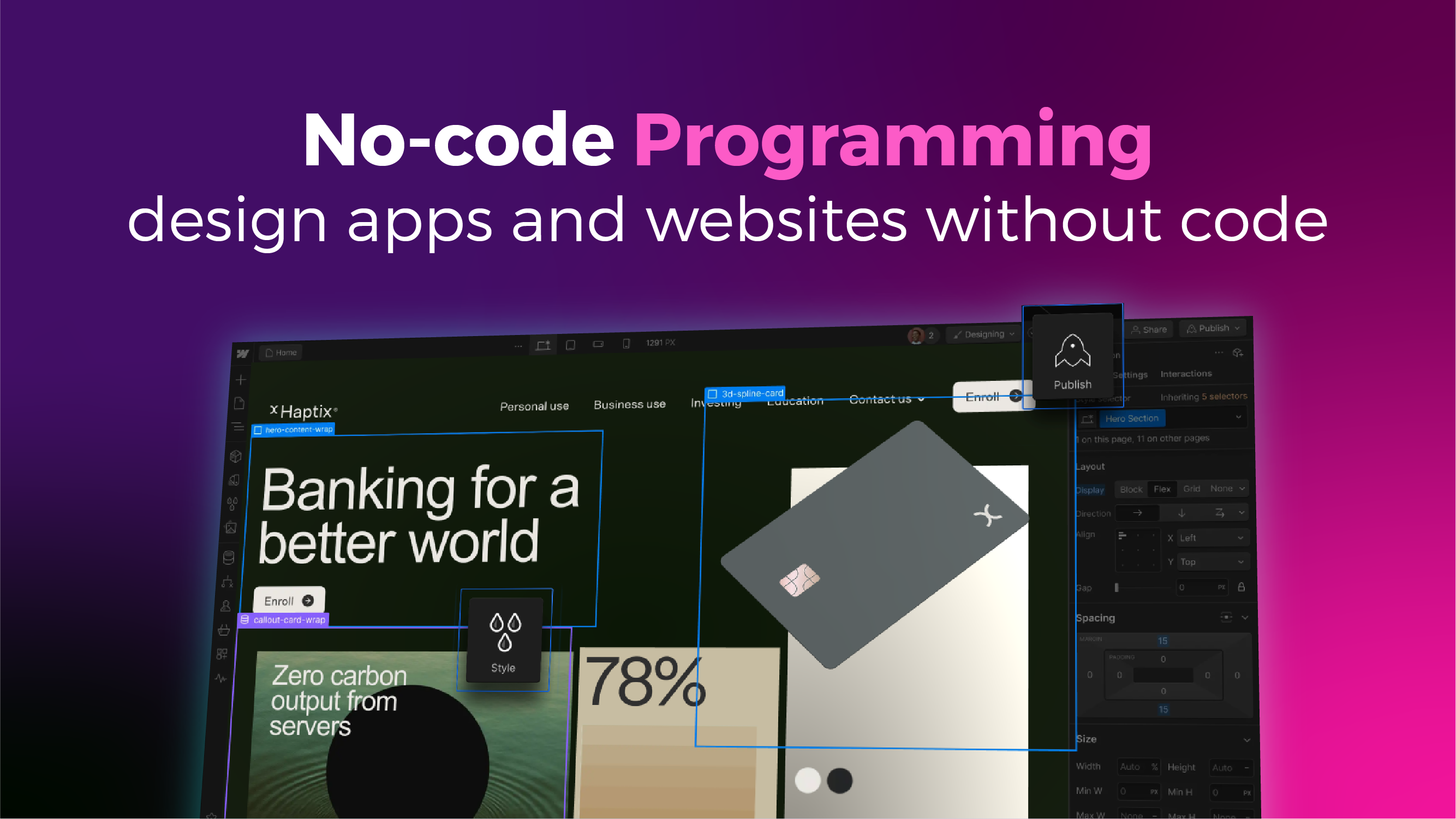
No-code programming: design apps and websites without code
2024-07-26T14:12:20
No-code programming facilitates agile development of digital solutions without the need to learn pro...
Tailor-made and state-of-the-art digital products: the CencoSud case study
2024-07-12T19:25:37
At CodersLab, our primary focus is on understanding and addressing the immediate software and digita...

Transforming Cloud Costs with FinOps: The Key to Enterprise Efficiency
2024-07-11T20:27:07
Streamlining Operations Across the Entire Enterprise Network In today’s business landscape, ma...

IT Staffing: The Perfect Complement for Retail Businesses in Latin America
2024-07-10T19:39:31
Flexibility, Tech Talent, and Efficiency through Active Sourcing Introduction The retail landscape i...

Software Quality in Banking: A QA Approach
2024-06-13T01:03:07
In the fast-paced financial world, where each transaction and data point hold immense significance, ...
The future is already here: Artificial Intelligence Trends 2024
2024-06-13T01:02:27
This 2024 starts with full force as far as new digital solutions are concerned and brings great news...
Growth, wellness and efficiency: the healthcare industry and the support of technological innovation
2024-06-13T01:01:39
Technology contributes in many ways, not only to achieve objectives, meet goals and improve producti...
At CodersLab we are your strategic ally in the year of Operational Efficiency.
2024-06-13T01:00:45
The concept of Operational Efficiency will be the protagonist of this year for companies, since in a...

4 IT Staffing trends that will triumph in 2024 thanks to AI support
2024-06-13T00:59:45
Recruitment agencies or IT Staffing will be the protagonists in the market this season, as they will...
Rust development services: Unleashing the power of Coderslab
2024-06-12T20:36:04
In the ever-evolving world of software development, choosing the right programming language can make...