

Artificial intelligence and ethics: are we about to cross the line?
2025-02-24T17:11:28
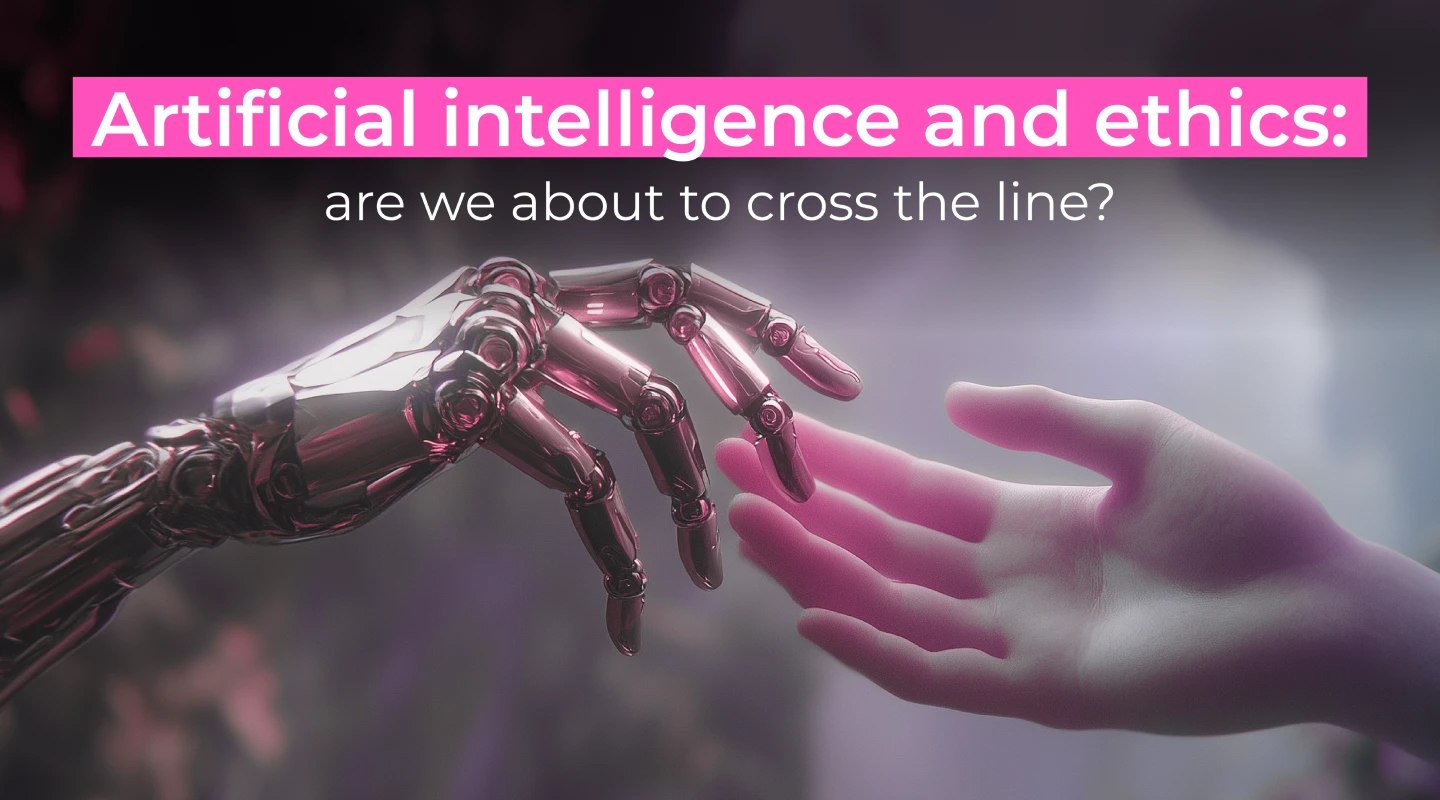
Artificial intelligence (AI) has advanced at a dizzying pace in recent years, transforming industries, improving efficiency and offering innovative solutions to complex problems. However, this progress has also raised ethical concerns that we cannot ignore.
As AI becomes integrated into more aspects of our lives, from healthcare to financial decision-making, it is crucial to ask whether we are using this technology responsibly.
The debate about the ethics of AI is not just a topic for technology experts or philosophers; it is a conversation that engages us all. How do we ensure that AI benefits society without compromising our core values? Are we prepared to control its evolution?
These questions lead us to reflect on the importance of establishing clear ethical principles in the development and use of artificial intelligence.
What’s AI ethics?
AI ethics is a field of study that seeks to guide the development and implementation of artificial intelligence systems in a way that respects human values and promotes social welfare. It’s not just about avoiding harm, but about ensuring that AI is used to improve the quality of people’s lives.
In essence, AI ethics helps us answer questions such as: what decisions can machines make? Who is responsible when something goes wrong?
This ethical approach is critical because AI has the potential to influence critical decisions, such as who gets a loan, what medical treatment is recommended, or even how resources are distributed in a community. Without a solid ethical foundation, we run the risk of AI amplifying inequalities or making decisions that do not reflect our collective values.
The ethics of AI are not static; they must evolve along with the technology. As AI becomes more complex and autonomous, we must also adapt our ethical principles to address new challenges. This requires an ongoing dialogue between technology experts, philosophers, policymakers, and society at large.
Key concepts in ethics as applied to artificial intelligence
Transparency
Transparency in AI refers to the ability to understand how a system makes decisions. It’s crucial that users and developers can track and explain how algorithms work. Without transparency, it is difficult to trust AI, especially in sensitive areas such as justice or healthcare.
In addition, transparency fosters accountability. If we don’t know how a decision was reached, it is impossible to determine whether it was fair or appropriate. For this reason, many experts advocate the development of AI systems that are “explainable,” i.e., that can justify their actions in a way that is understandable to humans.
However, achieving transparency is not always easy, especially in deep learning systems, where decisions are based on millions of parameters. Still, it is an essential goal to ensure that AI is ethical and trustworthy.
Fairness
Fairness in AI implies that systems should treat everyone equally, without discriminating on the basis of gender, race, religion or other factors. This is especially important in areas such as job hiring, lending, or policing, where biases can have serious consequences.
To achieve fairness, it’s necessary to eliminate biases in the data used to train algorithms. If the data reflect existing inequalities, AI can perpetuate or even exacerbate them. Therefore, developers must be careful in selecting and preparing data, and conduct rigorous testing to detect and correct biases.
Privacy
Privacy is a fundamental right that must be protected in the development and use of AI. Many AI systems rely on large amounts of personal data, raising concerns about how this data is collected, stored, and used. If not handled properly, privacy breaches can arise that affect individuals and communities.
To protect privacy, it is essential to implement robust security measures, such as data encryption and limited access to sensitive information. In addition, users must have control over their data and be clearly informed about how it will be used. This is not only an ethical issue, but also a legal one in many jurisdictions.
However, the challenge of privacy in AI goes beyond data protection. It also involves considering how the technology can be used to monitor or control individuals, which could threaten individual freedoms. That is why it is crucial to set clear limits on what AI can and cannot do.
Transparency and explainability
One of the biggest ethical challenges in AI is ensuring that systems are transparent and explainable.
Many algorithms, especially those based on deep learning, operate as “black boxes,” meaning that even their creators do not always understand how they arrive at certain decisions. This can be problematic in critical applications, such as medical diagnostics or criminal justice.
To overcome this challenge, researchers are working on techniques that allow AI systems to explain their decisions in terms understandable to humans. However, this is not easy, as it often involves sacrificing some of the system’s performance. Still, transparency and explainability are essential to build trust in AI.
In addition, lack of transparency can also make it difficult to detect biases or errors in AI systems. If we cannot understand how an algorithm works, it is difficult to know if it is making fair and accurate decisions. That’s why transparency is not only an ethical issue, but also a practical one.
Data privacy and security
Data privacy and security are key concerns in AI development. Many systems rely on large amounts of personal data, making them attractive targets for cybercriminals. A data breach can not only expose sensitive information, but also undermine trust in the technology.
To protect privacy, it is essential to implement robust security measures, such as data encryption and limited access to sensitive information. In addition, developers must follow privacy principles from design, ensuring that data protection is a priority from the start of the project.
However, the challenge of privacy in AI goes beyond data protection. It also involves considering how the technology can be used to monitor or control people, which could threaten individual freedoms. Therefore, it’s crucial to set clear boundaries on what AI can and cannot do in relation to privacy.
Impact on employment and the economy
AI-driven automation has the potential to transform the labor market, eliminating some jobs and creating new ones. While this may increase productivity and efficiency, it may also lead to unemployment and economic inequality.
One possible solution is to invest in education and training to help workers adapt to the new demands of the labor market. In addition, governments and businesses must work together to create policies that encourage job creation in areas where AI cannot replace humans, such as jobs that require creativity and empathy.
However, the economic impact of AI is not limited to employment. It may also affect the distribution of wealth and power, further concentrating resources in the hands of a few technology companies.
Autonomy and responsibility
As AI systems become more autonomous, the question arises as to who is responsible when something goes wrong. Is it the developer, the user, or even the machine?
Establishing clear accountability mechanisms is essential to ensure that victims of AI errors can get justice.
In addition, AI autonomy also raises questions about human control. Should we allow machines to make critical decisions without human oversight? This is especially relevant in areas such as autonomous vehicles or autonomous weapons systems, where mistakes can have fatal consequences.
To address these challenges, clear rules need to be established on the level of autonomy that is allowed in different AI applications. In addition, developers need to be aware of potential risks and take steps to ensure that AI systems are under human control when necessary.
Biases and discrimination
Biases in AI are a serious problem that can lead to discrimination and unfairness. If the data used to train an algorithm reflects existing biases, AI can perpetuate or even exacerbate them.
To combat bias, it’s essential that developers are aware of this problem and take steps to detect and correct biases in data and algorithms. This includes rigorous testing and diversifying development teams to ensure that multiple perspectives are considered.
In addition, it is also important that end users are informed about potential biases in AI systems and have the ability to question and challenge decisions made by the technology. Only then can we ensure that AI is fair and equitable for all.
As AI continues to advance and grow for more and more domains and activities, more ethical issues and challenges will need to be raised to ensure its responsible use and positive impact on society. Only then will we be able to prevent it from becoming a tool that perpetuates the biases and injustices that exist today and threaten to slow or halt our progress.

Recent Posts
Scroll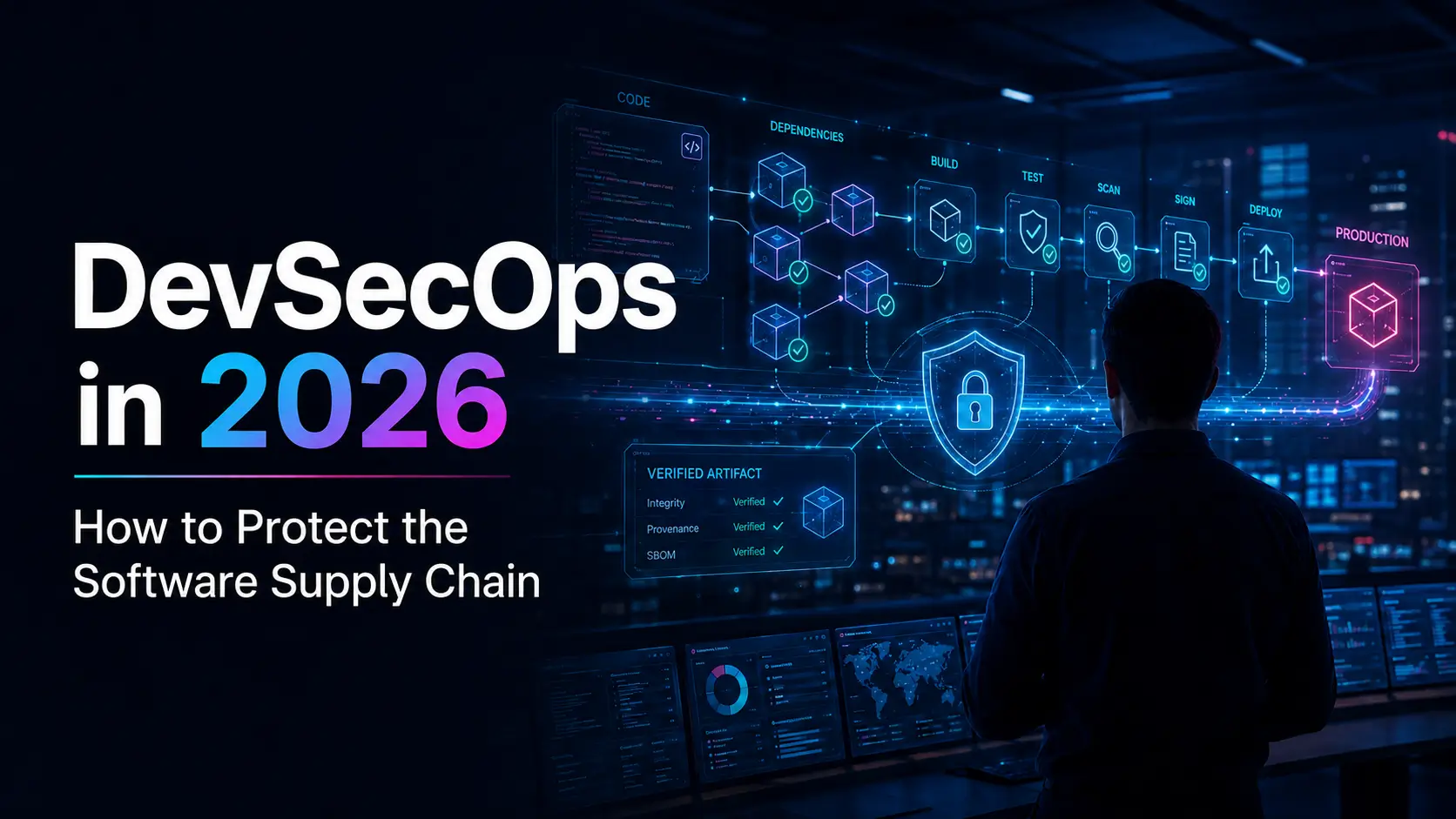
DevSecOps 2026 | Protect the Software Supply Chain
2026-08-11T21:40:20
DevSecOps in 2026: How to Protect the Software Supply Chain DevSecOps protects the software supply c...
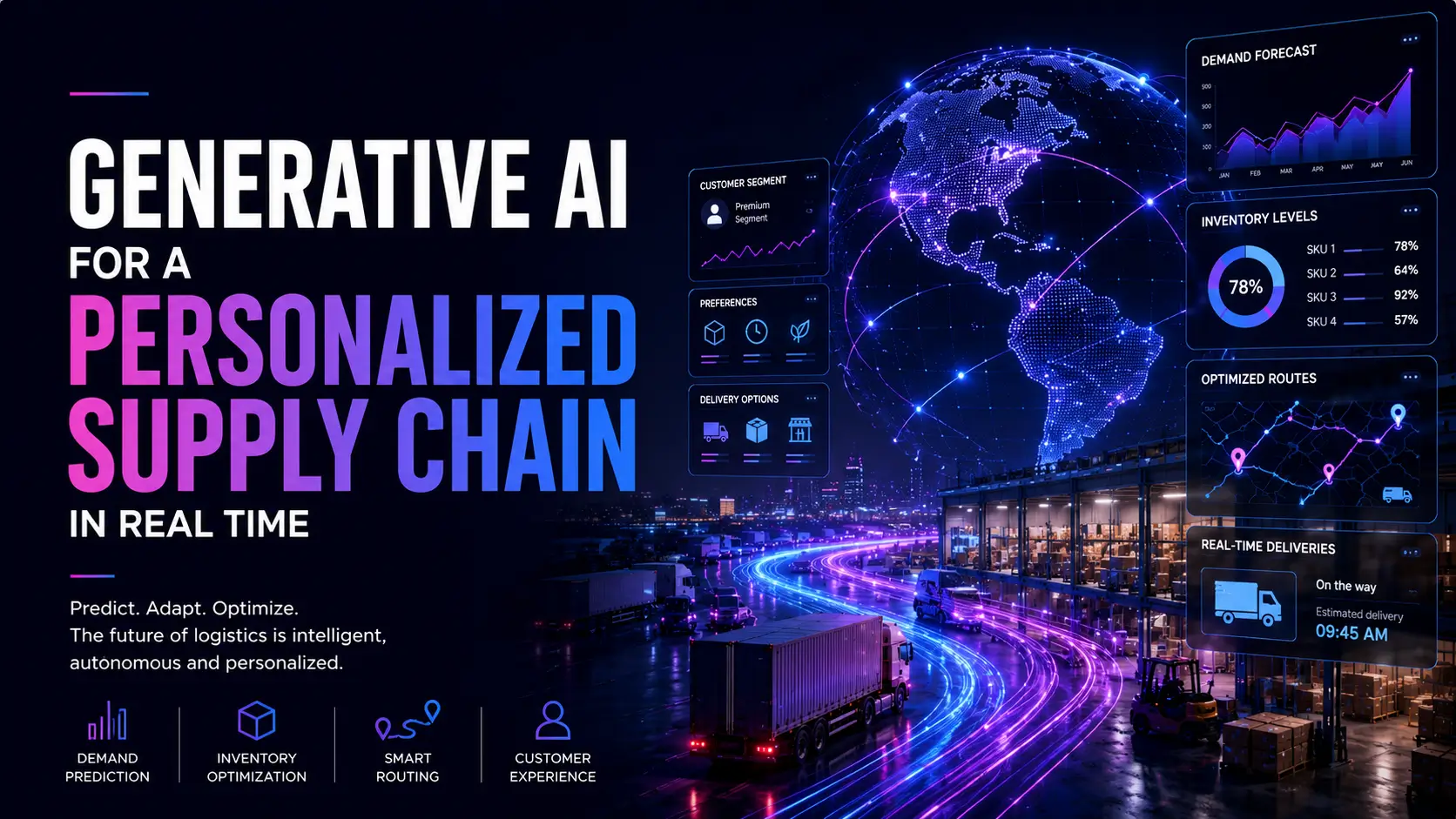
Generative AI Supply Chain Personalization | CodersLab
2026-07-31T21:08:37
Generative AI enables real-time personalization of every link in the supply chain, from demand forec...

Agentic AI | Cybersecurity Threats in 2026
2026-07-27T16:45:43
Artificial intelligence has crossed a line that security experts had been anticipating for years; wh...

47 AI Adoption Statistics That Define Enterprise Technology in 2026
2026-05-21T21:47:29
Artificial intelligence has crossed the line from strategic priority to operational infrastructure i...

Multi-experience development: creating apps for multiple devices
2025-07-14T13:41:48
Multi-experience development is the standard that companies must follow to develop successful applic...

API Trends and Best Practices for 2025 | CodersLab
2025-07-11T22:14:29
The Internet would not be the same without the help of APIs. This is how they will evolve in the fut...

Test Automation: Essential Tools for Developers
2025-07-09T20:29:51
Test automation is very important for the day-to-day work of developers. Here’s everything you...

The role of UX/UI in the success of modern apps
2025-07-07T20:06:04
Two critical factors for modern applications are user experience and user interface. Find out why. ...
Sustainable software development: practices for green code
2025-07-03T18:34:48
Nowadays, companies are interested not only in using high-quality tools, but also environmentally fr...
The role of Data Science in software development today
2025-06-30T14:46:52
Data science is a discipline that can drive all of an organization’s efforts. Here’s wha...
Microservices: Modern Architecture for Scalable Solutions
2025-06-26T12:57:33
Software architecture has a new standard for developing its products and services: microservices. ...

Agile development: methodologies and benefits in software projects
2025-06-23T12:28:13
Agile philosophy is one of the best frameworks for software development. Learn about its origins, pr...

7 great reasons to apply Scrum methodologies in project management
2025-06-20T11:54:21
The Scrum methodology enables a more organized and autonomous workflow for the development of digita...
7 extraordinary examples of green technology transforming businesses
2025-06-17T11:49:25
Technology helps people minimize their carbon footprint on the planet. Discover the seven most impor...

Top Programming Languages in Demand for 2025 | CodersLab
2025-05-09T14:10:32
All programming languages are useful, but some are more important than others. Find out which ones. ...

Blockchain beyond cryptocurrencies: solutions for software development
2025-04-30T18:09:08
Blockchain is not just for trading cryptocurrencies. Learn about its implications for software devel...

The rise of Progressive Web Applications (PWA) in 2025
2025-04-18T20:34:55
Progressive web apps combine the best of native apps with web technology. Here’s what you need...
Cybersecurity in software development: key strategies
2025-04-15T20:22:49
Software development is a critical process that requires the highest level of digital security measu...
DevOps: best practices for successful continuous delivery
2025-04-11T13:40:22
The integration between Development and Operations is increasingly being implemented among companies...

Integrating artificial intelligence into software development
2025-04-08T21:27:29
The integration of artificial intelligence into software development is now a reality. What do you n...
Tailor-made software will optimize all your company’s processes
2025-03-28T20:56:36
Custom software allows companies to use the full potential of tools designed solely for their needs....
Artificial intelligence forever changed software development
2025-03-25T20:49:41
Software development has changed since artificial intelligence entered the scene. Learn about its im...

Challenges & opportunities for women’s representation in tech
2025-03-17T14:30:17
Now is the right time to reflect on the role of women in technology and their outlook for the future...

Android 16 is coming: 6 new features you can’t miss
2025-02-26T20:14:59
Android 16 is here. Here are 6 features you should know about to get the most out of it. ...

Software engineering: the hidden spark igniting the technological revolution
2025-02-18T16:38:22
Today’s technological revolutions would not be possible without software development. Learn mo...

Discover the 5 superpowers of the Internet of Things that will transform your business
2025-02-14T15:58:11
The Internet of Things has arrived to make us live in a much more interconnected world. ...

Edge computing: connect the future today and unleash your organization’s hidden potential
2025-02-11T16:23:58
La computación de borde es un enfoque que agiliza la transmisión y procesamiento de datos. Esto es l...

Quantum computing: the dawn of a revolution of no return in data processing
2025-02-07T15:54:06
It is the future of computing as we know it. Discover why and the things we are already capable of d...
DeepSeek: the chinese assistant challenging AI giants
2025-02-03T19:18:27
DeepSeek is the AI assistant of the moment. What makes it so special, and why is everyone using it? ...

Discover why Rust is a new paradigm for web development
2025-01-27T12:54:49
Rust is a programming language that allows you to build different products and tools. Learn more. ...

The Product Manager is the mastermind behind your products
2025-01-20T18:43:39
The product manager is the leader in the entire process of management, development, and strategy beh...

Full-stack developer: The best architect for your digital success
2025-01-15T18:44:14
A full-stack developer covers all areas of software development. Learn about their responsibilities ...

Why apply responsive design to your digital products?
2025-01-06T15:15:18
Responsive design is no longer an optional feature, but rather a mandatory one for the success of an...

The great input of agile methodologies in project management
2025-01-03T15:12:00
Agile methodologies transform project management by providing flexibility, collaboration, and adapta...

Telecom Software Solutions: optimize and transform your communications
2024-12-26T19:46:29
Telecom software solutions enhance efficiency and innovation in modern business communications. ...
Integrate your digital services with APIs: everything you need to know
2024-12-26T19:38:50
APIs enable seamless and scalable integration of digital services, facilitating connectivity between...

The future of software development: meet the composable architecture
2024-12-26T19:34:36
Composable architecture revolutionizes software development by enabling modular, flexible, and easil...
The power of the software factory to transform your company
2024-12-10T12:40:16
Software factories accelerate technology solution development, driving digital transformation and bu...

Cloud technology is a turning point and we’ll tell you why
2024-12-05T19:32:19
Cloud technology radically changes resource access and management, enabling unprecedented scalabilit...

Scrum master: the key factor to carry out your projects
2024-12-05T18:38:47
The Scrum Master drives project success by facilitating collaboration, removing impediments, and pro...

7 benefits of developing apps with ReactJS
2024-10-10T12:00:14
ReactJS offers speed, flexibility, and a robust ecosystem, facilitating development of dynamic and s...

What’s ReactJS and how does it work?
2024-10-07T12:00:11
ReactJS is a JavaScript library that enables building interactive user interfaces using reusable com...
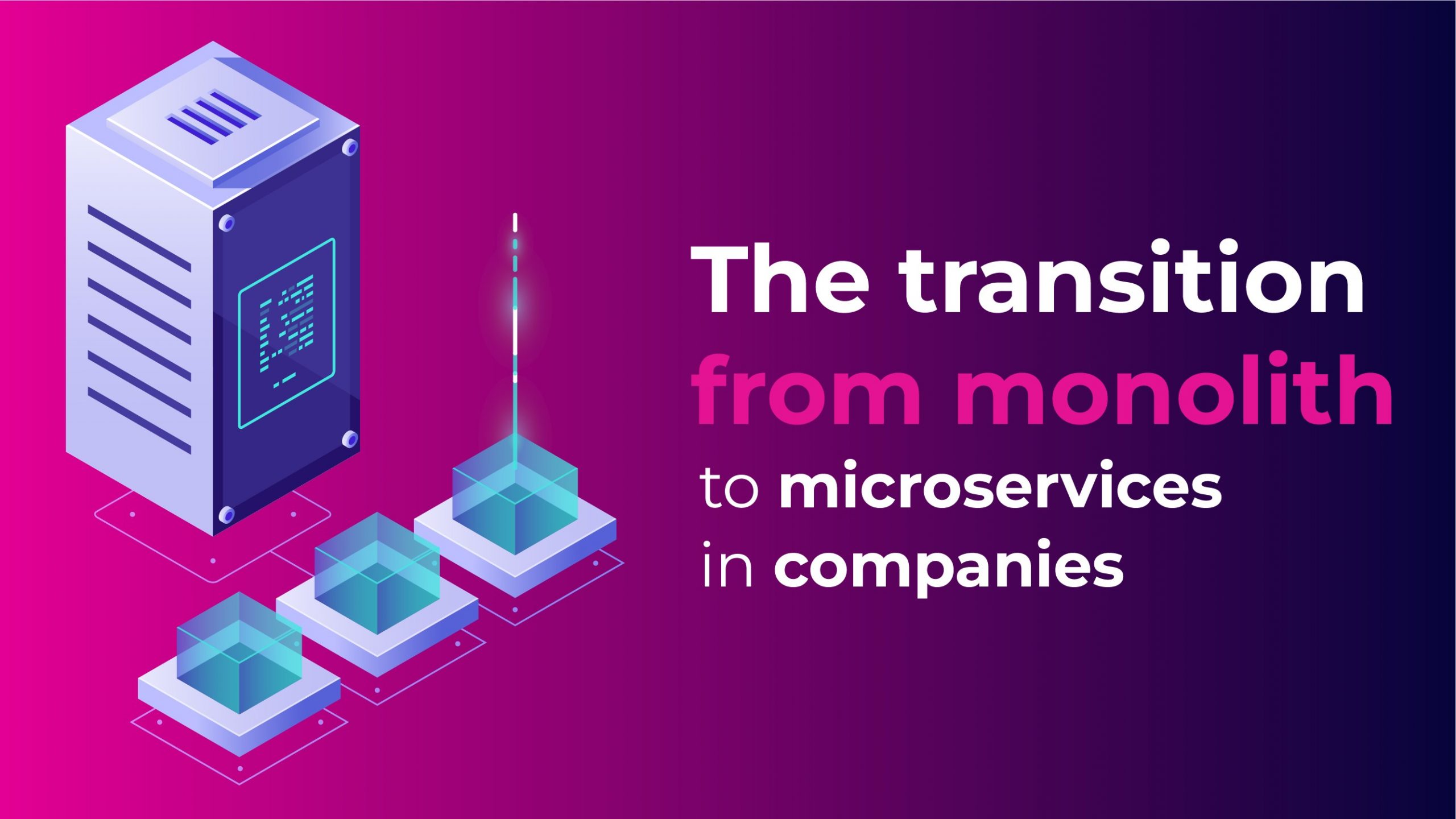
Transform your legacy systems with microservices: the definitive guide for IT leaders
2024-10-03T16:36:37
Microservices modernize legacy systems by breaking applications into independent services, enhancing...

Web usability: principles and how to improve it in your business
2024-09-24T20:35:15
Web usability makes it easy for users to navigate and quickly find what they need, enhancing user ex...
Progressive web applications: what are they, advantages and examples
2024-09-16T12:12:51
Progressive web apps combine the best of websites and native apps, offering speed, offline accessibi...

Service Design with a UX Focus: What to Consider
2024-08-20T15:26:16
UX service design focuses on understanding users, creating intuitive processes, and delivering satis...
9 Key Soft Skills in Software Development
2024-08-13T19:29:23
Soft skills such as communication, teamwork, and problem-solving are essential for success in softwa...
How Generative AI is Revolutionizing the Future of Software Development
2024-08-07T17:56:20
Generative artificial intelligence revolutionizes the future of software with continuous innovation,...

The Value of Cybersecurity in Companies
2024-07-30T19:19:56
Cybersecurity protects businesses against digital threats, safeguarding critical information and mai...

No-code programming: design apps and websites without code
2024-07-26T14:12:20
No-code programming facilitates agile development of digital solutions without the need to learn pro...
Tailor-made and state-of-the-art digital products: the CencoSud case study
2024-07-12T19:25:37
At CodersLab, our primary focus is on understanding and addressing the immediate software and digita...

Transforming Cloud Costs with FinOps: The Key to Enterprise Efficiency
2024-07-11T20:27:07
Streamlining Operations Across the Entire Enterprise Network In today’s business landscape, ma...

IT Staffing: The Perfect Complement for Retail Businesses in Latin America
2024-07-10T19:39:31
Flexibility, Tech Talent, and Efficiency through Active Sourcing Introduction The retail landscape i...
Software Quality in Banking: A QA Approach
2024-06-13T01:03:07
In the fast-paced financial world, where each transaction and data point hold immense significance, ...
The future is already here: Artificial Intelligence Trends 2024
2024-06-13T01:02:27
This 2024 starts with full force as far as new digital solutions are concerned and brings great news...
Growth, wellness and efficiency: the healthcare industry and the support of technological innovation
2024-06-13T01:01:39
Technology contributes in many ways, not only to achieve objectives, meet goals and improve producti...
At CodersLab we are your strategic ally in the year of Operational Efficiency.
2024-06-13T01:00:45
The concept of Operational Efficiency will be the protagonist of this year for companies, since in a...
4 IT Staffing trends that will triumph in 2024 thanks to AI support
2024-06-13T00:59:45
Recruitment agencies or IT Staffing will be the protagonists in the market this season, as they will...
Rust development services: Unleashing the power of Coderslab
2024-06-12T20:36:04
In the ever-evolving world of software development, choosing the right programming language can make...