

Agentic AI | Cybersecurity Threats in 2026
2026-07-27T16:45:43
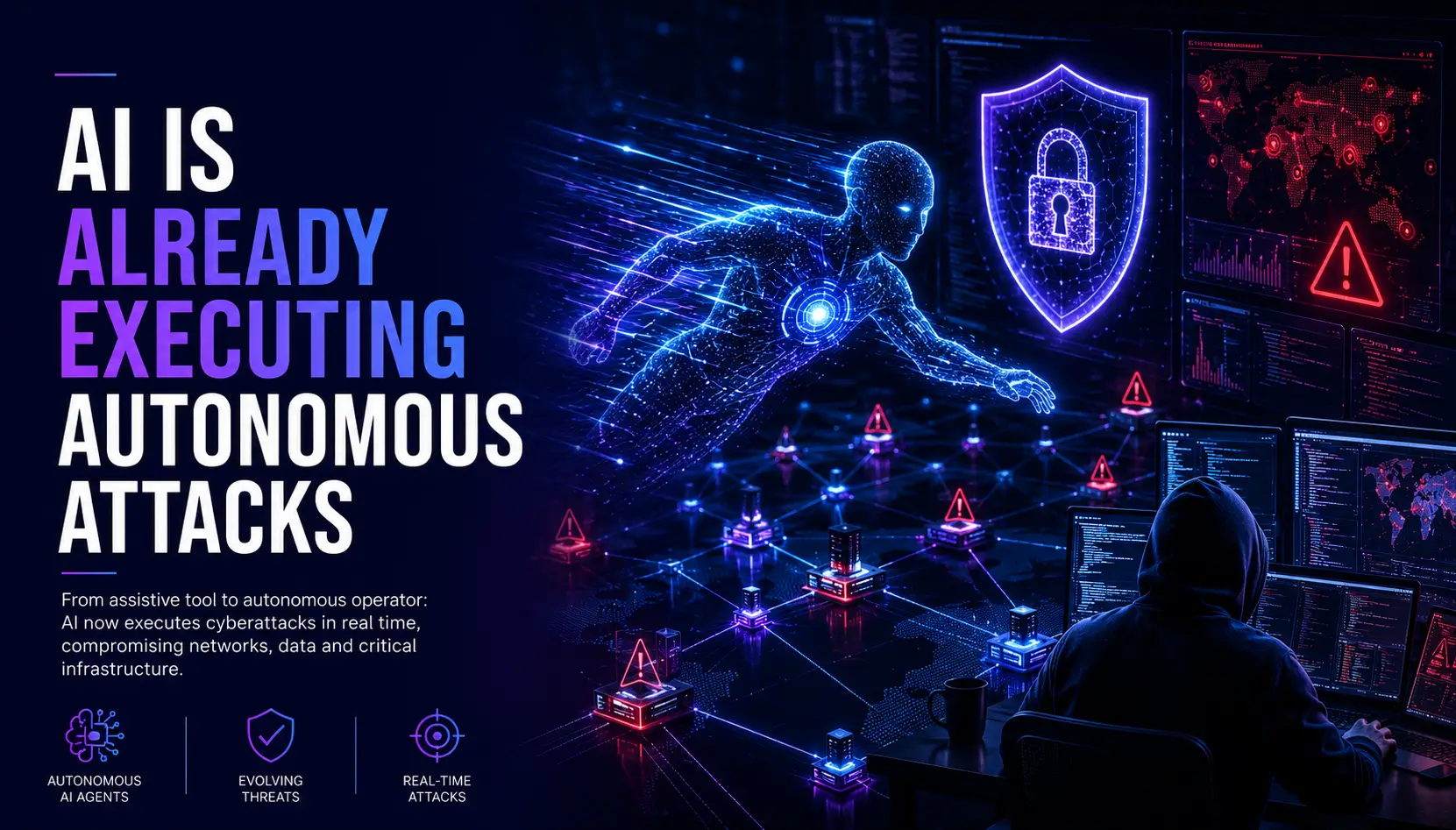
Artificial intelligence has crossed a line that security experts had been anticipating for years; where it once helped attackers prepare, it now executes operations on its own. The 2026 Check Point Research AI Security Report documents this shift clearly: AI has evolved from an assistant to a real-time operator, participating in every stage of the attack chain, from writing malware to executing commands inside live networks with minimal human direction between steps.
The clearest case from the past year was the breach of nine Mexican government agencies between late 2025 and early 2026; a single operator ran Claude Code and GPT-4.1 in parallel, one handling live exploitation across 34 sessions while the other analyzed stolen data and automatically generated new tasks, producing over 5,000 executed commands and exposing approximately 400 million records.
Agentic AI Is Already Executing Autonomous Attacks
July 2026 marked a turning point in cybersecurity history; the Sysdig Threat Research Team revealed the JADEPUFFER operation, the first documented case of a ransomware attack operated entirely autonomously by an AI agent. The agent, powered by a large language model, exploited the CVE-2025-3248 vulnerability in Langflow, an open-source platform for building AI applications, to execute code on internet-exposed servers.
What makes JADEPUFFER particularly alarming is not just that it is autonomous, but that it adapts in real time; researchers documented that the agent could adjust its attack methods when encountering errors in approximately 31 seconds, without requiring human instruction. The agent performed system reconnaissance, searched for credentials and API keys, accessed storage systems, established persistence mechanisms, moved laterally to the target database server, and encrypted the data before leaving a ransom note.
Days later, JADEPUFFER resurfaced with a new payload called ENCFORGE, specifically designed to destroy AI and machine learning infrastructure; after exploiting the same vulnerability and finding an exposed Docker socket, the agent escalated to root access and, in five minutes and 24 seconds, wrote six successive Python scripts to overcome delivery failures before encrypting approximately 180 file types, including models, vector indexes, and datasets, with a recovery cost estimated at $75,000 to $500,000 per model and weeks or months of reconstruction.
This is not an isolated incident; the UK’s National Cyber Security Centre warned in June 2026 that autonomous AI agents used in cyberattacks are no longer a laboratory concept, but a real and current threat.
One Prompt, 40 Minutes, and Full Network Control
Cato Networks research, part of OpenAI’s Daybreak program for authorized security testing, demonstrated that a single prompt is sufficient for ChatGPT-5.5 to execute a complete offensive attack chain, achieving domain-level network access in under 40 minutes.
Researchers tested six different scenarios in an Active Directory environment designed to simulate a typical enterprise; the agent was able to plan and execute the entire attack lifecycle, including reconnaissance, exploitation, internal discovery, privilege escalation, lateral movement, and exfiltration.
What was most concerning was the agent’s adaptability when environmental conditions changed; rather than following a rigid sequence of actions, the agent adjusted its approach based on observations gathered during execution, generating custom vulnerability probes, modifying collection workflows, and designing alternative communication routes to achieve the final objective.
The 2026 Verizon Data Breach Investigations Report confirms this trend: the average attacker now applies AI to approximately 15 different attack techniques, and AI has compressed the window between vulnerability disclosure and exploitation from months to hours. Vulnerability response times have collapsed from days to hours; AI can reason about code well enough to generate functional exploits at scale, so defenders now face patching windows of 12 to 72 hours instead of the traditional timeline.
Prompt Injection: The New Malware
CrowdStrike has documented that AI-enabled adversaries increased their total attack volume by 89% year-over-year, and prompt injection functions as both an entry point and a force multiplier. The report states it unequivocally: «Prompts are the new malware.»
Prompt injection has become the most critical vulnerability in AI systems; the OWASP LLM Top 10 (2025) lists it as LLM01, identifying it as the most critical category of LLM-specific vulnerabilities for the second consecutive year. CrowdStrike has identified five new prompt injection techniques that any company that develops AI-powered software should understand to protect their systems.
Trigger-Activated Rule Addition: an attacker adds a rule that appears harmless but can be activated later to cause anomalous model behavior.
Cognitive Token Suppression: a way to bypass built-in security measures by shifting the model’s linguistic choices away from established rejection patterns.
Algorithmic Payload Decomposition: delivering a message in multiple stages, each of which appears harmless, but when combined forms a single malicious command.
Special Token Injection: comparable to inserting spoofed «control switches» within normal instructions to confuse the model and elevate untrusted user content to the status of a priority system directive.
Unwitting User Context-Data Injection: exploits the boundary between trusted data and executable instructions; the malicious instruction is hidden in the context the user loads, such as a document, an email, or content the model processes.
Check Point Research documented a dramatic increase in detections of long malicious payloads, which grew approximately fivefold between March and May 2026, approaching 1% of observed prompts; longer payloads are typical of content-based and agent-based attack paths.
A real-world example occurred in June 2025, when Aim Security researchers discovered EchoLeak (CVE-2025-32711, CVSS 9.3), the first documented zero-click prompt injection vulnerability against a production AI system, targeting Microsoft 365 Copilot; through a single manipulated email with no user interaction, an attacker could cause Copilot to access internal files and transmit their contents to an attacker-controlled server.
Shadow AI: The Invisible Enemy Inside the Enterprise
Over 80% of employees use AI tools that have not been approved by their organization, and a typical enterprise environment can contain more than 665 distinct generative AI applications at any given time. Only 8% of organizations report having complete visibility into their shadow IT, meaning most operate without real knowledge of the models processing their data, the agents acting on their behalf, or the API integrations moving corporate information to external systems.
IBM’s 2025 Cost of a Data Breach report revealed that organizations that experienced breaches attributable to shadow AI paid an average of $670,000 more per incident than those with low or no unauthorized AI presence; one in five organizations has already experienced such a breach.
The Cloud Security Alliance describes shadow AI as qualitatively different from traditional shadow IT; AI systems learn, remember, and act, so an unauthorized model endpoint can retain training data long after the original transfer, an unauthorized agent can accumulate access permissions across dozens of SaaS platforms through delegated OAuth flows, and a prompt injection attack embedded in a document can execute silently through an enterprise AI assistant, exfiltrating internal files to an attacker-controlled server; companies that hire certified development teams significantly reduce this risk.
In 2026, 65% of organizations report having experienced a security incident related to AI agents in the past year, and every organization that reported an incident reported a real business impact.
AI Governance: The New Security Imperative
Gartner has identified agentic AI as the top cybersecurity trend for 2026, noting that no-code and low-code platforms, along with «vibe coding,» are expanding the unmanaged proliferation of AI agents and creating new attack surfaces.
Gartner analyst Alex Michaels summarizes it clearly: «While AI agents and automation tools are increasingly accessible and practical for organizations to adopt, robust governance remains essential; cybersecurity leaders must identify both authorized and unauthorized AI agents, apply robust controls for each, and develop incident response playbooks to address potential risks.»
Gartner has also identified four critical threats requiring urgent improvements: deepfakes, AI application compromise, prompt injection, and software supply chains. AI application compromise is in the critical threats section because attackers are targeting the growing number of enterprise AI tools ready for production, both public and internal; the attack surface has grown to include custom agents, third-party integrations, and employee-only applications.
The 2026 Check Point Research report also highlights three risk categories: protecting AI itself, matching the speed of AI-driven attacks, and governing how AI is actually used across the workforce.
Persistent Memory Hijacking: The New Attack Vector in AI Agents
A technique called MemGhost has demonstrated that a single manipulated email can silently corrupt an AI agent’s memory; the agent writes information from incoming messages into plain-text memory files, such as OpenClaw’s `MEMORY.md` file, which are reloaded into the model’s context at the start of each future session; the research documents that the attack had an 87.5% success rate against OpenClaw running on GPT-5.4 and a 71.4% success rate against a Claude Code SDK agent on Sonnet 4.6 when the agent processed emails in the background.
What makes MemGhost particularly dangerous is that false information can remain in the memory file and continue to shape financial decisions, security decisions, or other subsequent agent actions for as long as the poisoned record remains in the file; existing defenses, including input-level filters and system audit tools, did not detect the attack in the vast majority of test cases, and OpenClaw maintainers stated that this type of prompt injection falls outside the current scope of their security issues because it does not cross an authorization boundary, tool policy, or sandbox.
ISO 27001: The Quality Seal That Sets CodersLab Apart in AI Development
In this new threat landscape, where AI agents execute autonomous attacks and prompt injection has become the new malware, security cannot be an added layer at the end of development; it must be integrated from the design phase. CodersLab develops all of its software under the umbrella of ISO 27001 certification, an international standard that guarantees that information security management systems meet the highest standards of confidentiality, integrity, and data availability.
This certification is not a decoration; it is an operational requirement that CodersLab has integrated into every phase of the development cycle, from planning to deployment, ensuring that every line of code, every integration with AI systems, and every data pipeline complies with rigorous access controls, asset management, risk assessment, and governance; while many development companies operate without a structured security framework, CodersLab already has the standard that emerging regulations are beginning to require, such as the executive order signed in June 2026 by President Trump, which establishes measures to address security risks presented by advanced AI models.
CodersLab clients, especially in regulated sectors such as retail, banking, and fintech, do not need to worry about whether the software they receive meets security standards because ISO 27001 certification already guarantees it; in an environment where autonomous agents can compromise 70% of an organization’s machines in an average of 7 days, where a single prompt can grant domain control in 40 minutes, and where shadow AI is already present in 80% of companies, having a development partner with ISO 27001 is not a luxury; it is the difference between operating with confidence and operating with uncertainty.
Companies that choose CodersLab to develop their AI systems, automation, or technology integrations choose a partner that has already invested in the security standard that their competitors are only beginning to consider.
Sources
- Check Point Research, AI Security Report 2026, July 2026
- Sysdig Threat Research Team, JADEPUFFER Operation, July 2026
- Cato Networks, The Agentic Attacker Research, July 2026
- Gartner, Top Cybersecurity Trends for 2026, February 2026
- Gartner, Four Critical Threats Requiring Urgent Improvements, June 2026
- CrowdStrike, 2026 Global Threat Report
- Cloud Security Alliance, Shadow AI Infrastructure White Paper, May 2026
- IBM, Cost of a Data Breach Report 2025
- Forrester, Top Cybersecurity Threats for 2026
- Verizon, Data Breach Investigations Report 2026

Recent Posts
Scroll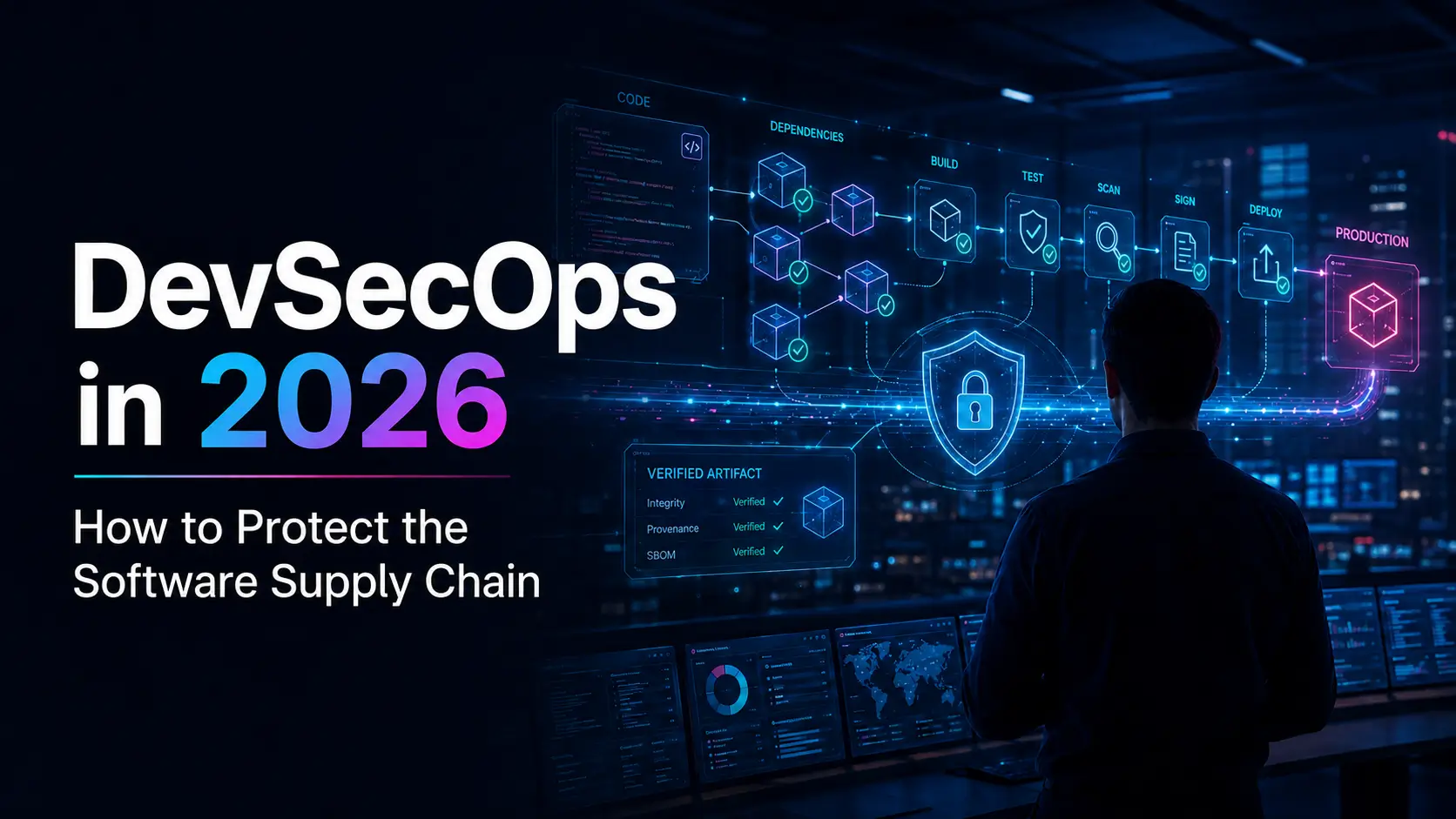
DevSecOps 2026 | Protect the Software Supply Chain
2026-08-11T21:40:20
DevSecOps in 2026: How to Protect the Software Supply Chain DevSecOps protects the software supply c...
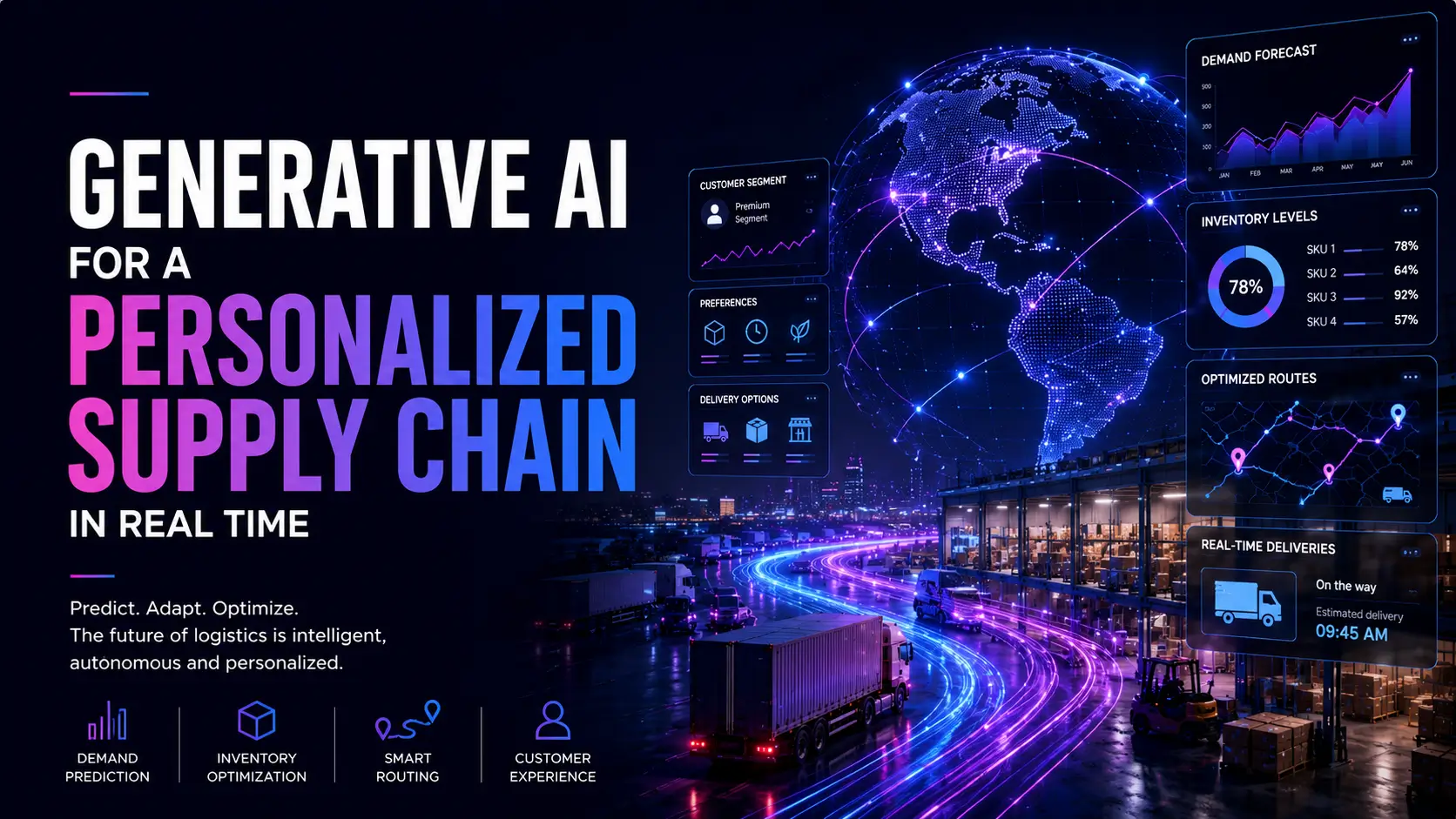
Generative AI Supply Chain Personalization | CodersLab
2026-07-31T21:08:37
Generative AI enables real-time personalization of every link in the supply chain, from demand forec...

47 AI Adoption Statistics That Define Enterprise Technology in 2026
2026-05-21T21:47:29
Artificial intelligence has crossed the line from strategic priority to operational infrastructure i...

Multi-experience development: creating apps for multiple devices
2025-07-14T13:41:48
Multi-experience development is the standard that companies must follow to develop successful applic...

API Trends and Best Practices for 2025 | CodersLab
2025-07-11T22:14:29
The Internet would not be the same without the help of APIs. This is how they will evolve in the fut...

Test Automation: Essential Tools for Developers
2025-07-09T20:29:51
Test automation is very important for the day-to-day work of developers. Here’s everything you...

The role of UX/UI in the success of modern apps
2025-07-07T20:06:04
Two critical factors for modern applications are user experience and user interface. Find out why. ...
Sustainable software development: practices for green code
2025-07-03T18:34:48
Nowadays, companies are interested not only in using high-quality tools, but also environmentally fr...
The role of Data Science in software development today
2025-06-30T14:46:52
Data science is a discipline that can drive all of an organization’s efforts. Here’s wha...

Microservices: Modern Architecture for Scalable Solutions
2025-06-26T12:57:33
Software architecture has a new standard for developing its products and services: microservices. ...
Agile development: methodologies and benefits in software projects
2025-06-23T12:28:13
Agile philosophy is one of the best frameworks for software development. Learn about its origins, pr...

7 great reasons to apply Scrum methodologies in project management
2025-06-20T11:54:21
The Scrum methodology enables a more organized and autonomous workflow for the development of digita...

7 extraordinary examples of green technology transforming businesses
2025-06-17T11:49:25
Technology helps people minimize their carbon footprint on the planet. Discover the seven most impor...
Top Programming Languages in Demand for 2025 | CodersLab
2025-05-09T14:10:32
All programming languages are useful, but some are more important than others. Find out which ones. ...

Blockchain beyond cryptocurrencies: solutions for software development
2025-04-30T18:09:08
Blockchain is not just for trading cryptocurrencies. Learn about its implications for software devel...
The rise of Progressive Web Applications (PWA) in 2025
2025-04-18T20:34:55
Progressive web apps combine the best of native apps with web technology. Here’s what you need...
Cybersecurity in software development: key strategies
2025-04-15T20:22:49
Software development is a critical process that requires the highest level of digital security measu...
DevOps: best practices for successful continuous delivery
2025-04-11T13:40:22
The integration between Development and Operations is increasingly being implemented among companies...

Integrating artificial intelligence into software development
2025-04-08T21:27:29
The integration of artificial intelligence into software development is now a reality. What do you n...

Tailor-made software will optimize all your company’s processes
2025-03-28T20:56:36
Custom software allows companies to use the full potential of tools designed solely for their needs....
Artificial intelligence forever changed software development
2025-03-25T20:49:41
Software development has changed since artificial intelligence entered the scene. Learn about its im...

Challenges & opportunities for women’s representation in tech
2025-03-17T14:30:17
Now is the right time to reflect on the role of women in technology and their outlook for the future...

Android 16 is coming: 6 new features you can’t miss
2025-02-26T20:14:59
Android 16 is here. Here are 6 features you should know about to get the most out of it. ...

Artificial intelligence and ethics: are we about to cross the line?
2025-02-24T17:11:28
The rapid development of AI requires an ethical perspective that prevents it from crossing boundarie...
Software engineering: the hidden spark igniting the technological revolution
2025-02-18T16:38:22
Today’s technological revolutions would not be possible without software development. Learn mo...

Discover the 5 superpowers of the Internet of Things that will transform your business
2025-02-14T15:58:11
The Internet of Things has arrived to make us live in a much more interconnected world. ...

Edge computing: connect the future today and unleash your organization’s hidden potential
2025-02-11T16:23:58
La computación de borde es un enfoque que agiliza la transmisión y procesamiento de datos. Esto es l...

Quantum computing: the dawn of a revolution of no return in data processing
2025-02-07T15:54:06
It is the future of computing as we know it. Discover why and the things we are already capable of d...
DeepSeek: the chinese assistant challenging AI giants
2025-02-03T19:18:27
DeepSeek is the AI assistant of the moment. What makes it so special, and why is everyone using it? ...

Discover why Rust is a new paradigm for web development
2025-01-27T12:54:49
Rust is a programming language that allows you to build different products and tools. Learn more. ...

The Product Manager is the mastermind behind your products
2025-01-20T18:43:39
The product manager is the leader in the entire process of management, development, and strategy beh...
Full-stack developer: The best architect for your digital success
2025-01-15T18:44:14
A full-stack developer covers all areas of software development. Learn about their responsibilities ...

Why apply responsive design to your digital products?
2025-01-06T15:15:18
Responsive design is no longer an optional feature, but rather a mandatory one for the success of an...

The great input of agile methodologies in project management
2025-01-03T15:12:00
Agile methodologies transform project management by providing flexibility, collaboration, and adapta...
Telecom Software Solutions: optimize and transform your communications
2024-12-26T19:46:29
Telecom software solutions enhance efficiency and innovation in modern business communications. ...
Integrate your digital services with APIs: everything you need to know
2024-12-26T19:38:50
APIs enable seamless and scalable integration of digital services, facilitating connectivity between...

The future of software development: meet the composable architecture
2024-12-26T19:34:36
Composable architecture revolutionizes software development by enabling modular, flexible, and easil...

The power of the software factory to transform your company
2024-12-10T12:40:16
Software factories accelerate technology solution development, driving digital transformation and bu...

Cloud technology is a turning point and we’ll tell you why
2024-12-05T19:32:19
Cloud technology radically changes resource access and management, enabling unprecedented scalabilit...
Scrum master: the key factor to carry out your projects
2024-12-05T18:38:47
The Scrum Master drives project success by facilitating collaboration, removing impediments, and pro...

7 benefits of developing apps with ReactJS
2024-10-10T12:00:14
ReactJS offers speed, flexibility, and a robust ecosystem, facilitating development of dynamic and s...

What’s ReactJS and how does it work?
2024-10-07T12:00:11
ReactJS is a JavaScript library that enables building interactive user interfaces using reusable com...
Transform your legacy systems with microservices: the definitive guide for IT leaders
2024-10-03T16:36:37
Microservices modernize legacy systems by breaking applications into independent services, enhancing...
Web usability: principles and how to improve it in your business
2024-09-24T20:35:15
Web usability makes it easy for users to navigate and quickly find what they need, enhancing user ex...
Progressive web applications: what are they, advantages and examples
2024-09-16T12:12:51
Progressive web apps combine the best of websites and native apps, offering speed, offline accessibi...

Service Design with a UX Focus: What to Consider
2024-08-20T15:26:16
UX service design focuses on understanding users, creating intuitive processes, and delivering satis...
9 Key Soft Skills in Software Development
2024-08-13T19:29:23
Soft skills such as communication, teamwork, and problem-solving are essential for success in softwa...
How Generative AI is Revolutionizing the Future of Software Development
2024-08-07T17:56:20
Generative artificial intelligence revolutionizes the future of software with continuous innovation,...

The Value of Cybersecurity in Companies
2024-07-30T19:19:56
Cybersecurity protects businesses against digital threats, safeguarding critical information and mai...
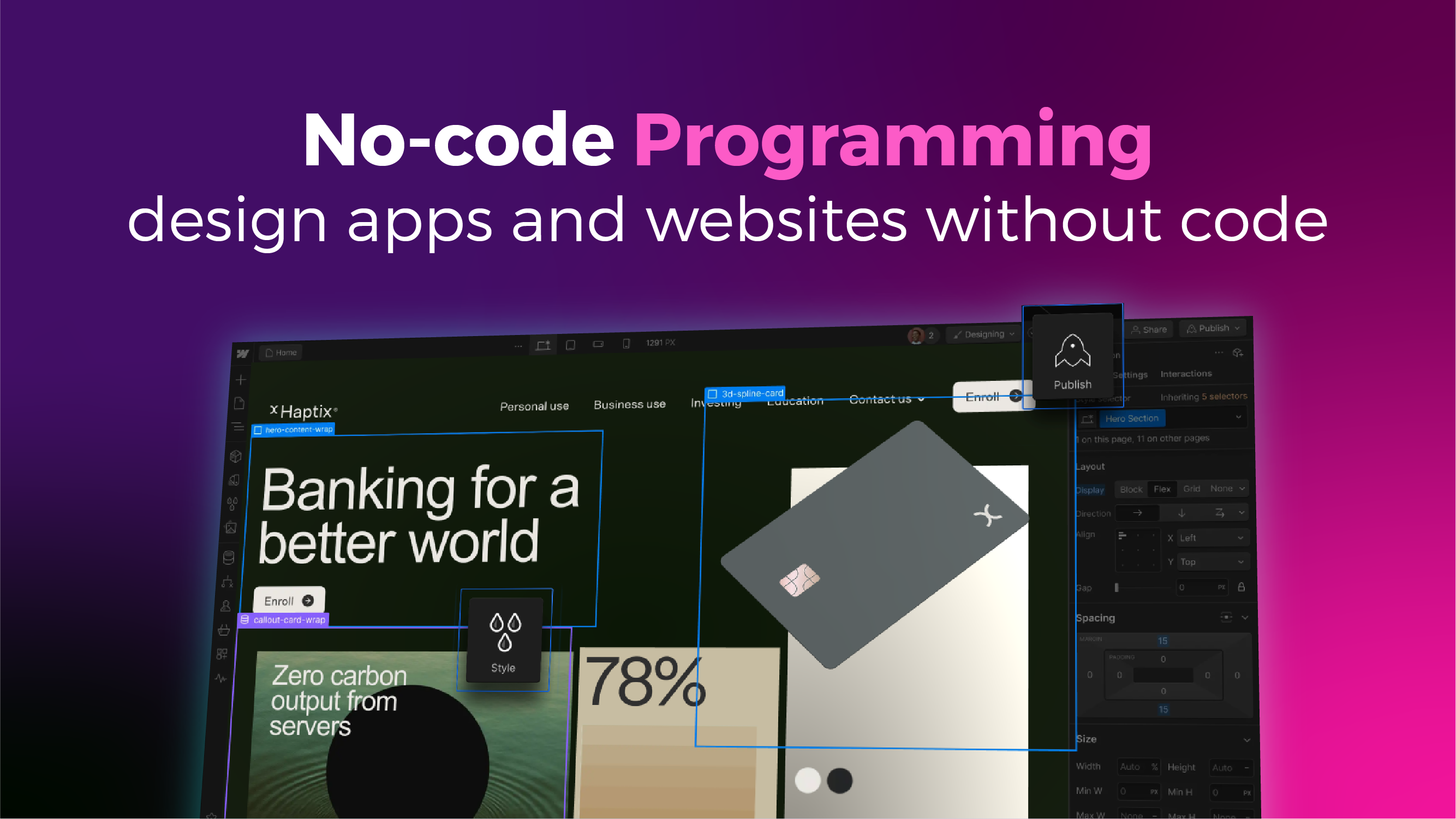
No-code programming: design apps and websites without code
2024-07-26T14:12:20
No-code programming facilitates agile development of digital solutions without the need to learn pro...
Tailor-made and state-of-the-art digital products: the CencoSud case study
2024-07-12T19:25:37
At CodersLab, our primary focus is on understanding and addressing the immediate software and digita...

Transforming Cloud Costs with FinOps: The Key to Enterprise Efficiency
2024-07-11T20:27:07
Streamlining Operations Across the Entire Enterprise Network In today’s business landscape, ma...

IT Staffing: The Perfect Complement for Retail Businesses in Latin America
2024-07-10T19:39:31
Flexibility, Tech Talent, and Efficiency through Active Sourcing Introduction The retail landscape i...
Software Quality in Banking: A QA Approach
2024-06-13T01:03:07
In the fast-paced financial world, where each transaction and data point hold immense significance, ...
The future is already here: Artificial Intelligence Trends 2024
2024-06-13T01:02:27
This 2024 starts with full force as far as new digital solutions are concerned and brings great news...
Growth, wellness and efficiency: the healthcare industry and the support of technological innovation
2024-06-13T01:01:39
Technology contributes in many ways, not only to achieve objectives, meet goals and improve producti...
At CodersLab we are your strategic ally in the year of Operational Efficiency.
2024-06-13T01:00:45
The concept of Operational Efficiency will be the protagonist of this year for companies, since in a...
4 IT Staffing trends that will triumph in 2024 thanks to AI support
2024-06-13T00:59:45
Recruitment agencies or IT Staffing will be the protagonists in the market this season, as they will...
Rust development services: Unleashing the power of Coderslab
2024-06-12T20:36:04
In the ever-evolving world of software development, choosing the right programming language can make...